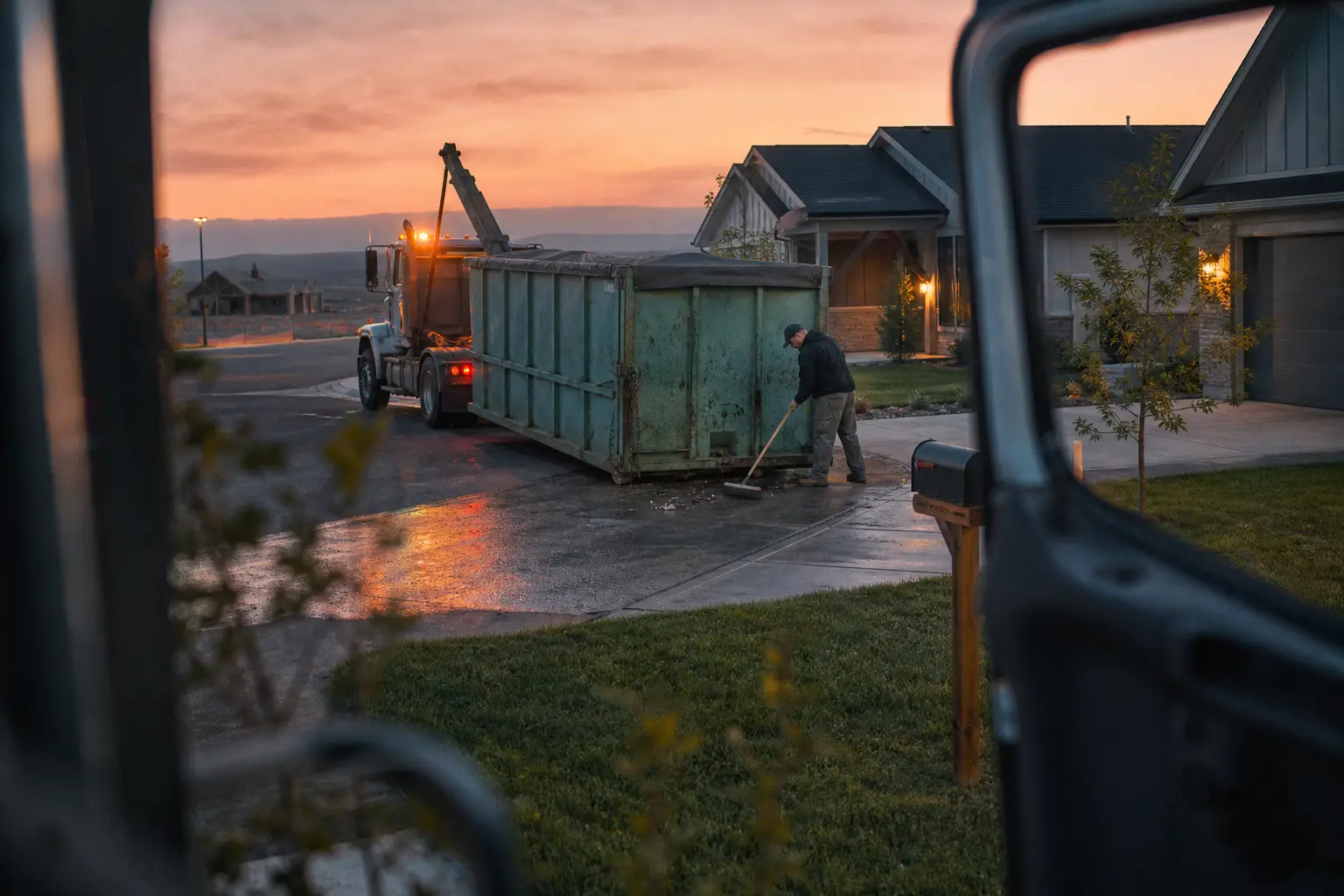
- Open 24/7, Monday to Sunday
- 4177 + containers delivered
- Serving Goshen County
Common Morrill projects
Pick the dumpster for your Morrill cleanup
These container options cover the work most likely to create a concentrated debris pile on a Morrill residential, rural, or commercial property. Material type and access still determine the practical choice.
Household Cleanout Dumpsters
For Morrill homes, rental properties, and rural outbuildings, a household cleanout container keeps furniture, boxes, fixtures, and ordinary debris together while preserving driveway access.
Home cleanoutsMove-Out Cleanout Dumpsters
A Morrill move-out may involve an older home, detached storage, or a long driveway. Plan the container near the loading path without leaving the approach blocked.
Move-out debrisYard Waste Dumpsters
Branches, brush, fencing, and seasonal yard material can accumulate quickly around Morrill lots. Separate prohibited material first and keep the load below the rim for safe transport.
Yard projectsHome Renovation Dumpsters
For flooring, cabinets, drywall, and remodeling debris at a Morrill residence, choose placement near the work area while protecting gravel, concrete, and turning space.
Remodel debrisRoofing Debris Dumpsters
Roof replacement on a Morrill property calls for a position that keeps tear-off material moving from the roof to the container without crossing unnecessary lawn or soft ground.
Roofing workConcrete and Heavy Debris Dumpsters
Concrete, masonry, dirt, and other dense material require size and loading guidance before delivery. Morrill sites with long approaches need special attention to surface strength.
Heavy materials
Weather and timing
Morrill seasons can change the delivery plan
Morrill weather can change a workable placement into a bad one. Spring moisture may soften gravel shoulders and unpaved approaches, while freeze and thaw can leave ruts or uneven ground near a driveway. Summer wind matters when lightweight material is being loaded, especially on open residential or agricultural properties. Before delivery, identify whether the truck must cross a soft section, pass through a gate, or use a slope. A different position may protect the surface and still keep the container close enough for efficient loading. If conditions are uncertain, describe the current ground rather than relying on how it looked during a dry week.
Winter conditions add another planning issue. Snow can narrow an approach, hide curbs or edges, and reduce turning room beside a home or commercial property. Roof work also produces heavier loading activity during weather changes, and wet debris can behave differently from dry material. Scheduled windows work best when the access route stays clear from the road to the container. Marius Dumpster Rental documents the planned placement and coordinates pickup around the project status, but no delivery plan can overcome an approach that becomes unsafe. Prepare a backup location before the weather turns if the first site is exposed or marginal.
Morrill site planning
What to expect from Dumpster Rental Morrill, NE
Dumpster Rental Morrill, NE at a glance
Morrill properties can have more driveway and approach distance than a compact town lot. A container may need to travel past outbuildings, fence openings, gravel sections, or a long private drive before it reaches the loading area. Marius Dumpster Rental checks the intended position against truck access, overhead clearance, turning room, and the surface under the container. On a rural approach, the shortest route is not always the safest route. Tell the crew what the driver will encounter from the road to the proposed placement, including soft ground, narrow gates, slopes, or parked equipment.
Morrill combines established homes, working properties, newer improvements, and open lots where wind can affect loose material. That changes how a dumpster should be loaded and where it should sit. Keep lighter debris below heavier material, do not heap waste above the rim, and avoid placing the container where runoff can soften the ground. If the property sits near an active commercial or agricultural route, describe the traffic pattern and any time-sensitive access limits before scheduling.
The truck serving Morrill comes from Torrington, so accurate access information matters before the delivery window is set. A gravel driveway may support a container in dry conditions but become a poor choice after rain, snow, or freeze and thaw. The crew can discuss alternatives such as a firmer section of the lot, a different approach, or a smaller container when the original plan creates too much risk. The goal is usable placement, not simply dropping steel at the first open space.
Before delivery
Prepare your Morrill property for the truck
- Walk the Morrill approach and remove vehicles, equipment, branches, and other obstacles from the planned route.
- Measure gate openings, overhead branches, and turning areas before choosing placement on a longer Morrill lot.
- Tell the crew about gravel, soft ground, slopes, drainage, or snow along the Morrill driveway.
- Keep household materials separated from concrete, dirt, roofing, and other dense debris before loading.
- Reserve a clear Morrill loading zone so workers can reach the container without crossing unstable ground.
Morrill rental questions
Answers for dumpster work around Morrill
How does dumpster delivery work on a rural Morrill property?
Dumpster delivery to a rural Morrill property starts with confirming the route from the road to the placement area, including gates, gravel, slopes, overhead branches, and turning room. The container is positioned where loading is practical and the surface can support it. Longer approaches around Morrill often need a backup placement. Before scheduling, clear parked equipment and describe any soft or narrow section.
What size dumpster should I rent for a Morrill home project?
The right Morrill dumpster size depends on the material and volume, not only the room being cleaned. A smaller container can suit a bathroom or light decluttering, while renovations, move-outs, roofing, and whole-home cleanouts need more capacity. Dense debris such as concrete needs separate guidance. List the project, material, and access conditions so the recommended size fits the Morrill property.
Can a dumpster sit on a gravel driveway in Morrill?
A dumpster can often sit on a gravel driveway in Morrill, but the surface must be firm, reasonably level, and accessible to the delivery truck. Rain, spring thaw, snow, and repeated truck movement can change that assessment. A stronger section of the drive or another part of the lot may be better. Inspect for soft shoulders and tell the crew what the ground is like now.
What can I put in a Morrill dumpster?
A Morrill dumpster is generally suited to ordinary household, remodeling, roofing, and yard debris, but accepted materials depend on the load and disposal requirements. Concrete, dirt, liquids, hazardous products, and other restricted materials need confirmation before loading. Keep materials below the rim and do not mix uncertain items into the container. Prepare a short list of everything the project will discard.
How far in advance should I schedule dumpster delivery in Morrill?
Schedule Morrill delivery as soon as the project date and placement are reasonably known, especially when weather may affect a long gravel approach or when roofing and remodeling crews are coordinated. Availability is 24/7, Monday to Sunday, but an exact arrival promise depends on the route, equipment, and site conditions. Have the desired delivery window, address, material list, and backup placement ready.
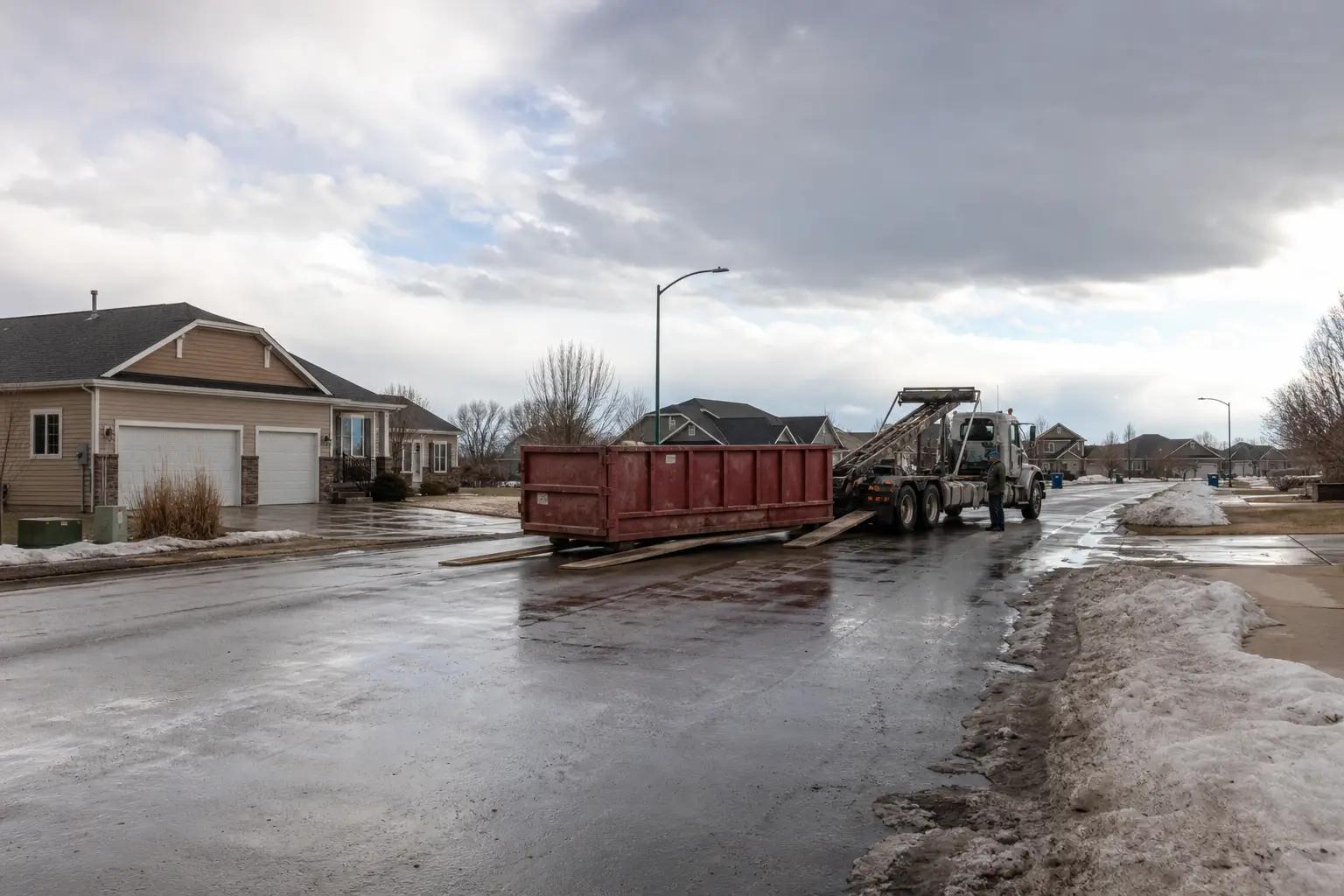
Plan the Morrill placement before the debris arrives
Tell Marius Dumpster Rental what you are removing, where the truck must travel, and how the ground looks now. Have the Morrill address, preferred placement, project material, and any backup location ready when you call.
Click Here to Call(307) 401-6978Local delivery area
Dumpster access around Morrill routes and lots
Marius Dumpster Rental handles dumpster placement around Morrill residential streets, rural approaches, commercial areas, and properties reached from the main highway routes. The practical question is not only the address, but how the truck enters, turns, and leaves without damaging a weak shoulder or blocking necessary access. Share landmarks, gate details, and the intended loading side when the property is outside the central street grid.